Camp Kitchen & Water / Car Camping
Camp Kitchen Checklist
Build a simple setup around the meals you actually want to make.
For a short camping trip near your vehicle, start with the menu and campsite facilities. Pack only the kitchen equipment your meals use.
For tents, sleeping gear and other supplies, use our complete camping checklist.
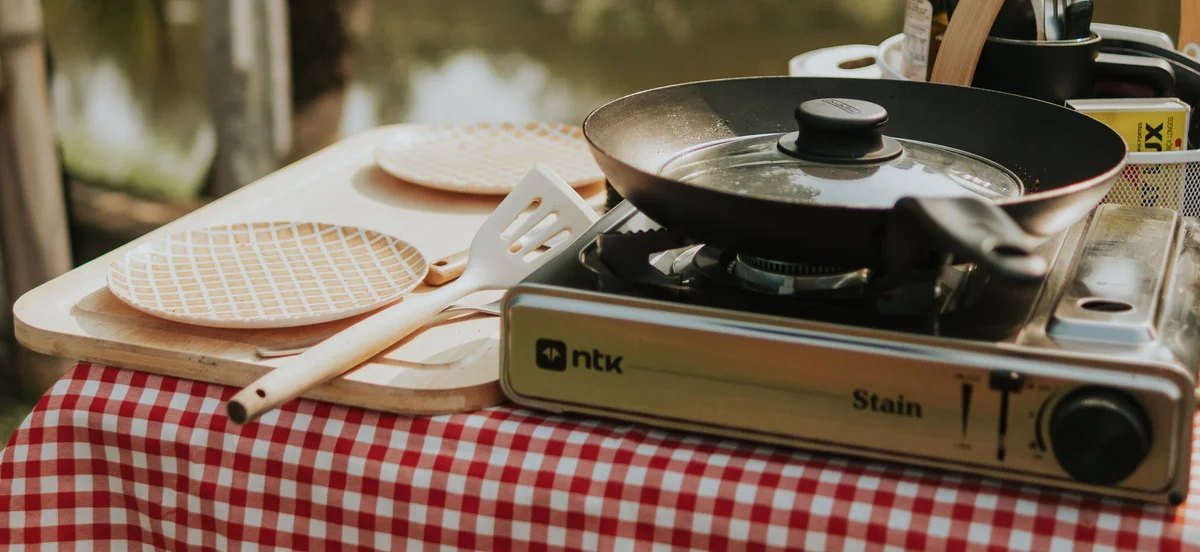
Choose your cooking setup
No-cook
Ready-to-eat meals and snacks. Keep the storage and washing kit; skip equipment for heating.
Boil & reheat
Hot drinks, boiling-water meals or reheating. Bring suitable cookware and utensils for those jobs.
Cook from ingredients
Add prep tools, pans and food-temperature checks according to your recipes.
Check the campsite before packing
- WaterConfirm drinking-water availability, collection points and any advisories.
- Work surfaceCheck for a suitable table or cooking area.
- Washing & wasteLocate dishwashing facilities and approved wastewater disposal.
- Local rulesCheck stove restrictions and storage rules for food, cookware, rubbish and scented items.
Your camp kitchen checklist
Compare all setups or filter by cooking method. Check each item’s condition before packing it.
Tick items as you pack.
Shared = one group kit. Per person = individual items. Leave inapplicable items unchecked; the counter tracks checks, not trip readiness.
Print view: all setups shown. Keep only the items your menu and campsite require.
| Item | No-cook | Boil & reheat | Cook ingredients | When to pack it |
|---|---|---|---|---|
| Shared plan | Pack | Pack | Pack | Write down meals, portions and preparation steps. Include group allergies and an easy arrival meal. |
| Shared + personal bottles | Pack | Pack | Pack | Plan drinking, meal-preparation and washing water around the confirmed supply and your group. |
| Shared | Pack | Pack | Pack | Arrange clean water, soap and a practical place to wash hands before handling food. |
| Per person | As needed | As needed | As needed | Bring the pieces your meals need. One bowl may do the work of a plate and bowl. |
| Shared | Pack | Pack | Pack | Keep ingredients covered and separated. Select food-safe containers that close securely. |
| Shared | Site rules | Site rules | Site rules | Confirm provided lockers or required containers. A cooler alone may not meet wildlife rules. |
| Shared | If needed | If needed | If needed | For food that needs refrigeration; match capacity and the ice-replacement plan to the trip. |
| Shared | If using a cooler | If using a cooler | If using a cooler | Checks cold-storage temperature. This is a different job from a food-temperature probe. |
| Shared | Skip | Pack | Pack | Choose the appliance and approved fuel together. Check current restrictions and its instructions. |
| Shared | Skip | Pack | Pack | Use the lighting method specified for the stove; include an appropriate backup where permitted. |
| Shared | Skip | Pack | Menu-specific | Check usable capacity, stability and the stove’s cookware limits. A compatible pot can also heat water. |
| Shared | Skip | Only if used | Only if used | Bring the pan your recipe needs, rather than an entire cookware set. |
| Shared | Skip | Pack | Pack | A compatible pot grip or heat-protective holder, as appropriate for the cookware. |
| Shared | As needed | As needed | As needed | Match spoon, spatula or tongs to preparation and serving. Protect any non-stick surfaces. |
| Shared | If preparing food | If preparing food | If preparing food | Pre-cut ingredients can reduce equipment, but allow for hygienic separation of raw foods. |
| Shared | If needed | If needed | If needed | Check cans, bottles and packaging before leaving; do not assume every container has a pull tab. |
| Shared | Skip | Menu-specific | Menu-specific | For foods needing an internal-temperature check, including appropriate cooking or reheating checks. |
| Shared | Facilities-dependent | Facilities-dependent | Facilities-dependent | For washing reusable dishes where the campground requires or lacks a suitable dishwashing facility. |
| Shared | If washing dishes | If washing dishes | If washing dishes | Use the site’s washing and wastewater rules. Biodegradable soap is not permission to wash in a lake. |
| Shared | If washing dishes | If washing dishes | If washing dishes | Plan a clean place for dishes to dry; separate the dish cloth from dirty preparation surfaces. |
| Shared | Pack | Pack | Pack | Collect scraps and packaging, separate recycling where available, and follow food-waste storage rules. |
| Shared / optional | Optional | Optional | Optional | Keeps the group kit together. An ordinary storage box is not automatically approved wildlife storage. |
| Shared / conditional | If needed | If needed | If needed | Only if the site lacks a suitable surface. Any stove support must meet the appliance instructions. |
| Shared / optional | No-heat method | Optional | Optional | Choose one method. Add its filters or other small parts; do not pack a kettle if your suitable pot does the job. |
Camp kitchen essentials: use what you have
Household cutlery, food containers and a sturdy basin can work for car camping. Check condition, food suitability and safe transport; confirm cookware compatibility with your exact stove.
Share once
Cooking, storage and cleaning equipment. Assign a packing owner to each shared item.
Bring per person
Drinking bottle, cup, dish and cutlery as needed. Account for individual dietary requirements.
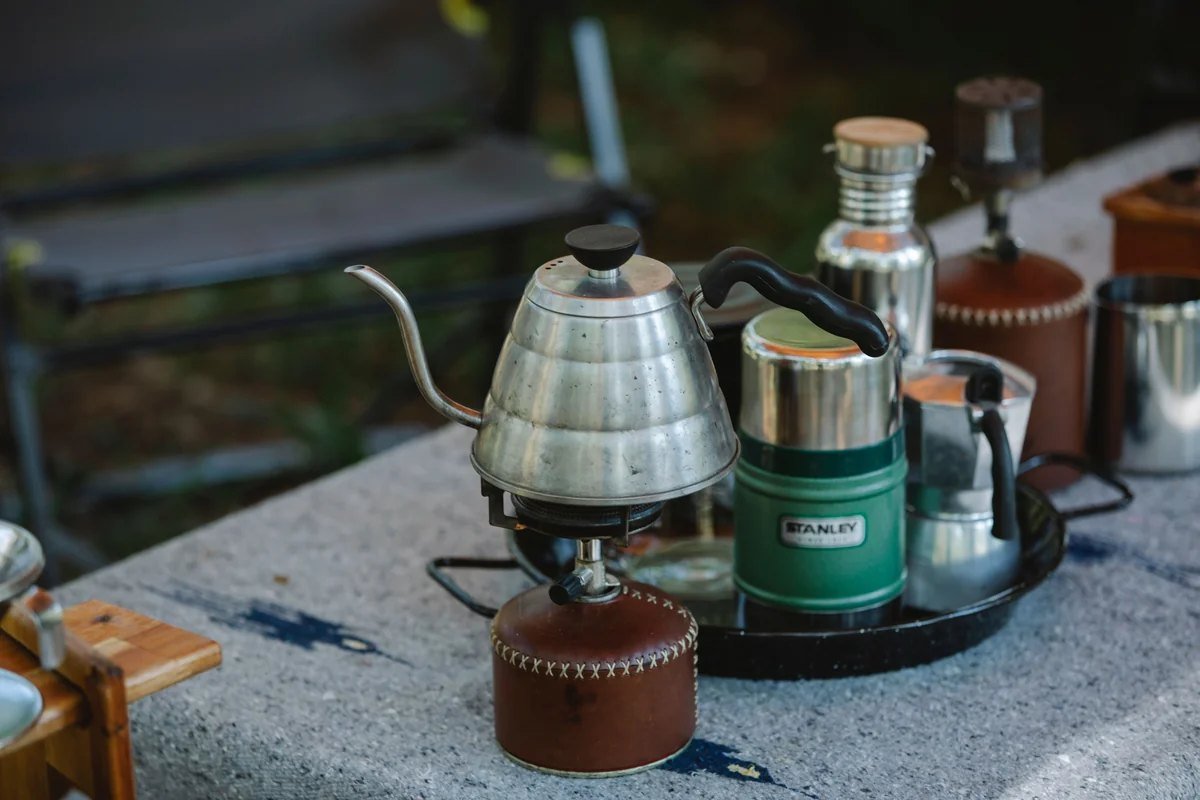
Example: two adults, one pot
Illustrative two-night setup: ready-to-eat arrival food, hot drinks and one-pot meals. Share the stove, compatible fuel, ignition, suitable pot, lid, pot grip and spoon. Add the eating, water, storage and cleaning items from the checklist, including cold storage if needed. Skip extra pans unless the menu uses them.
Plan cold storage and cleanup
Keep chilled food cold
Keep perishable food at or below 4°C (40°F), following Health Canada’s guidance. Seal raw meat, poultry and seafood in leak-resistant containers, separate from and below ready-to-eat food. A cooler thermometer checks storage; a probe checks food temperature.
Follow your park’s storage rules for food, rubbish and scented items, including while asleep or away. A vehicle or ordinary cooler is not suitable everywhere.
Make washing part of the kit
Scrape scraps into waste, then use a basin or designated dishwashing facility. Avoid drinking-water taps, washroom sinks and waterways. Dispose of dishwater only as your campground permits; toilets, ground and drains are not interchangeable disposal points. Ontario Parks’ guidance illustrates these local rules.
Use fuel-burning stoves outdoors, never inside a tent or vehicle. Follow the manual for fuel, cookware, clearances and operation. Check local restrictions and bring a no-cook backup meal. Portable stove safety.
Five checks before you leave
- Walk through one planned meal, from opening packages to cleanup.
- Recheck campsite facilities and current restrictions.
- Try the stove outdoors with compatible fuel, cookware and ignition.
- Prepare cold storage and plan ice replenishment if needed.
- Confirm who brings each shared item.
Carrying your kit on foot? See our backpacking stove comparison.
Camp kitchen questions
What if the campsite has a kitchen or sink?
Confirm the facilities, access and what is supplied. A dishwashing sink may replace your basin, but you may still need soap, utensils and cold storage.
When do I need extra tools for dietary requirements?
Plan around the group’s needs before sharing equipment. Separate food preparation may require additional utensils, cookware or containers.