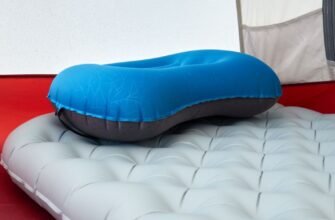
Sleep Systems / Sleeping pad selection / Cots and pads
Bed height · Insulation · Complete kit
Choose the sleeping setup your campsite can accommodate.
Compare a raised cot with a sleeping pad on the floor, then check whether a cot-and-pad combination earns its extra space and packing.
A camping cot raises the sleeping surface on a frame. A sleeping pad provides cushioning and, when suitably insulated, resistance to heat loss beneath you. They solve overlapping but different problems, and you can use them together. Start with the height and support you prefer, the insulation you need and the room inside your actual tent.
This comparison focuses on ordinary tent camping, especially trips where a vehicle carries the equipment. For choosing the pad itself, use the sleeping pad buying guide. The product examples below illustrate different cot dimensions; they are not a comfort ranking or a claim that we have sleep-tested them.
Camping cot vs sleeping pad: the practical differences
| Decision | Typical fabric cot | Sleeping pad on the floor |
|---|---|---|
| Sleeping height | The frame raises the bed. Low and tall cots use different amounts of headroom. | The bed height follows the pad’s thickness, plus your bedding. |
| Sleeping surface | Try the tensioned fabric, frame edges and turning room. | Try the foam or air-supported surface and the firmness available. |
| Insulation | Check the exact model. A raised fabric bed does not by itself establish the insulation you need. | Look for the exact pad’s published R-value and test basis. |
| Tent footprint | Allow for legs, frame, accessories and access to the door. | Measure the inflated or unfolded outline, including any tapered shape. |
| Packed kit | Count the frame and carry bag, plus a pad if you will use one. | Count the pad and any pump, sack or repair items you will carry. |
| Setup | Assemble or unfold and secure the frame as directed. | Unfold foam or inflate the air/foam-and-air construction as directed. |
A cot is worth trying when you prefer a raised bed and can accommodate the frame. A pad is worth trying when keeping the sleeping arrangement close to the floor and limiting the assembled kit matter more. Neither category establishes how comfortably you will sleep. Try turning, sitting up and getting into the bed with your usual sleeping bag and pillow.
Cot dimensions vary much more than the name suggests
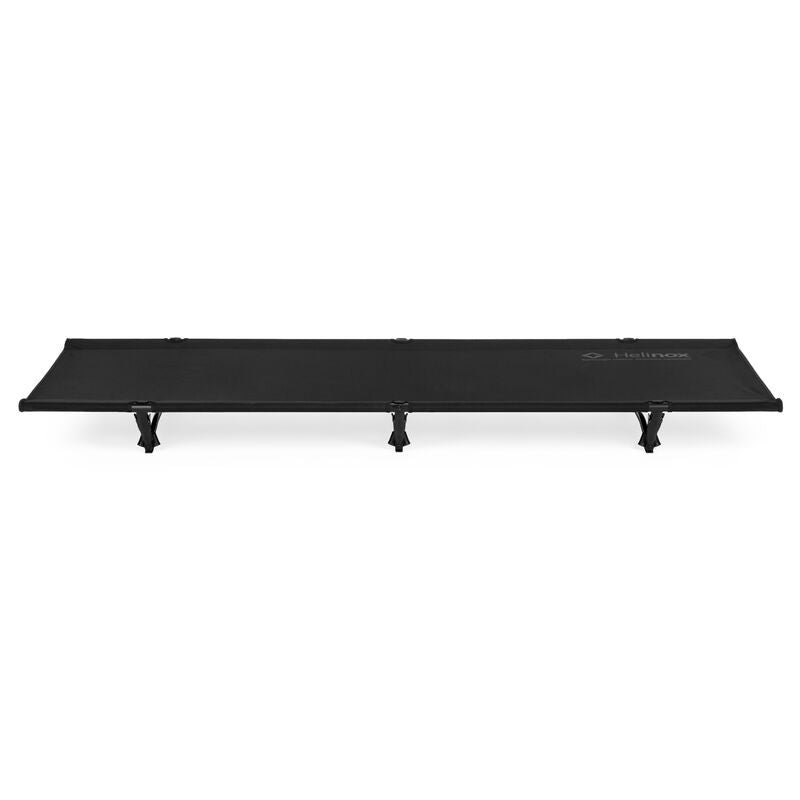
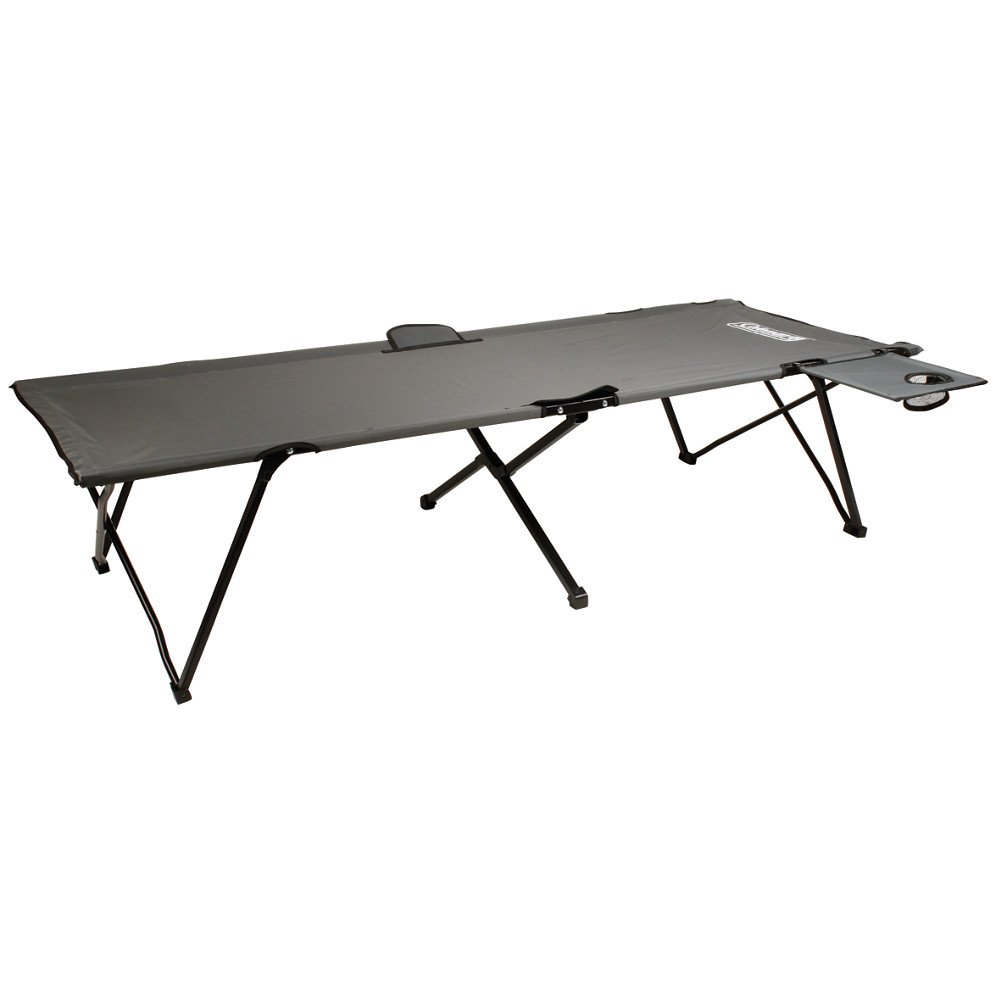
Two manufacturer examples show why “a camping cot” is not one standard footprint. The Helinox Cot One Convertible Regular is a low, collapsible design. The Coleman Pack-Away with Side Table has a taller frame and lists separate overall and sleeping-area dimensions.
| Example | Listed assembled dimensions | Important distinction |
|---|---|---|
| Helinox Cot One Convertible Regular | 75 × 26 × 6.5 in 191 × 66.5 × 16.5 cm | Base height shown. Optional leg extensions change the height. Listed packed case: 21 × 6 × 5.5 in / 53 × 15 × 14 cm. |
| Coleman Pack-Away with Side Table SKU 2000036401 | Overall: 80 × 44 × 17 in 203.2 × 111.8 × 43.2 cm* | Sleeping area: 80 × 32 in / 203.2 × 81.3 cm*. Use the larger overall footprint when planning the space. |
*Coleman’s metric figures are our rounded conversions of the listed inches. Helinox’s imperial and metric figures are reproduced as listed. These examples describe their named configurations, not every cot in either product family.
Check the current model’s load capacity, frame arrangement and setup instructions before choosing. Also check the packed bundle: a low bed does not necessarily imply a small bag, and a lightweight label does not tell you how awkward the frame will be to carry.
Check the tent at sleeping height, not only at floor level
Start with the cot’s full assembled outline, including the feet. Position it where you intend to sleep, then assess clearance around your shoulders, head and feet. A sloping tent wall can leave less usable width at cot height than the floor plan suggests. Leave room for the door and the route another camper will use at night.
Do not assume that the tent’s person count confirms cot fit. Our camping tent size guide explains how the floor, wall slope and real bedding layout work together. Check the tent and cot manufacturers’ directions for use on the floor material, including any specified foot protection. Avoid dragging an assembled frame across the floor.
Does a cot still need a sleeping pad?
It can. Helinox’s Cot One FAQ notes that air circulating underneath can feel cool and that many users add a pad for warmth and cushioning. Being above the ground is a change in support and height; it does not supply a documented insulation rating for the complete bed.
REI likewise describes adding a pad to a camping cot for insulation and cushion. Choose the pad for the planned conditions and check its fit on that cot. For the insulation metric and its limits, read sleeping pad R-value explained. Do not treat the empty space beneath a cot as another rated sleeping pad.
When combining the two, measure the usable cot surface and the actual pad, then check whether it shifts as you turn. A wide or thick mattress can alter how you meet the frame edges and how much room remains below the tent wall. Use only a joining or retention system approved for the equipment.
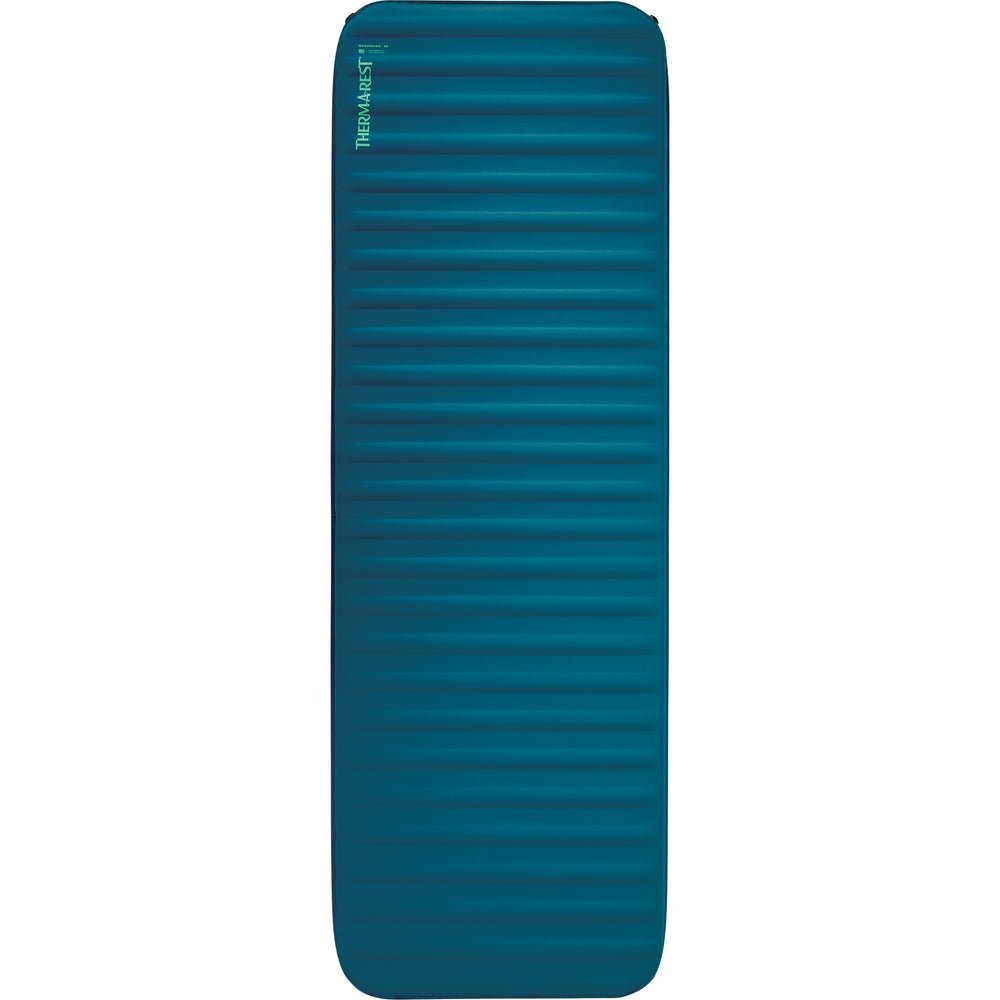
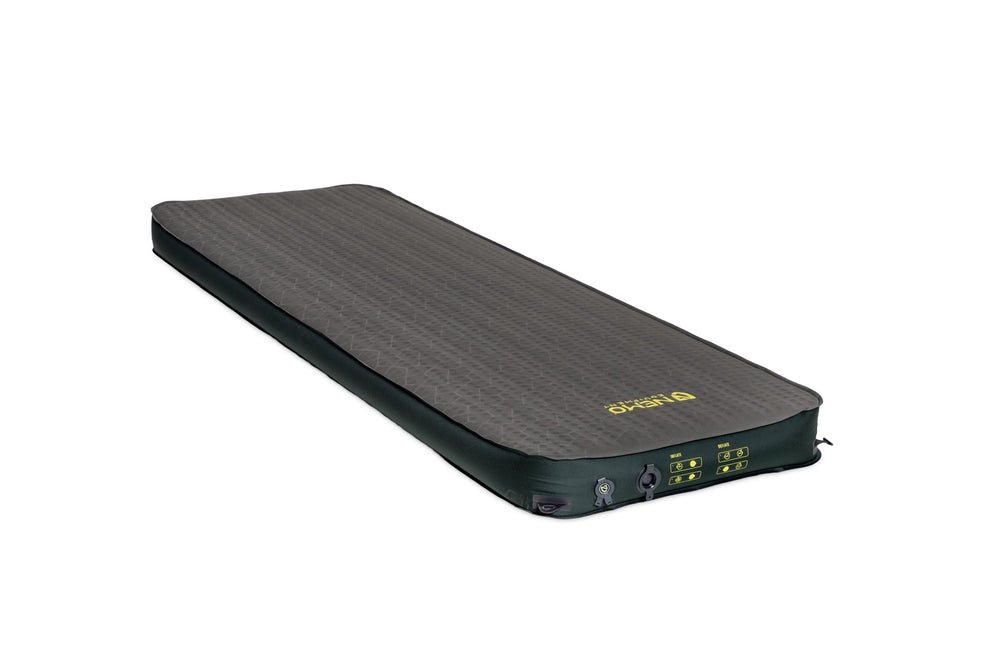
For roomier foam-and-air options used near the car, compare four self-inflating camping mattresses. The listed pad dimensions help with the first layout check; they do not establish that every mattress is supported by every cot.
Compare what you will carry and set up
Write down the whole bed before choosing by one item’s weight. A cot with a pad includes both bundles; a pad-only setup may still need inflation equipment. Keep manufacturer minimum, item and packed weights separate when comparing listings.
- Outline the space: cot frame or pad, sleeping bag, pillow and a clear door route.
- Check the height: assess the bed with all layers present and sit up in the intended tent position.
- Check the insulation: use documented product information alongside the expected conditions and the rest of your sleep system.
- Pack the actual kit: include frame pieces, bags, inflation equipment and relevant repair supplies.
- Rehearse the routine: set up, secure, try and repack it at home using the model’s instructions.
If you carry the kit on foot, compare the extra frame and bundle against the space in your pack. If you drive to the campsite, compare it against the vehicle’s luggage space and the room needed to store it at home. Keep those items visible on your car camping checklist.
Cot and sleeping pad questions
Is a cot more comfortable than a sleeping pad?
That depends on the specific surface and sleeper. Try the cot’s fabric tension and frame edges, or the pad’s foam and air support, in your normal sleeping position. A raised bed and a cushioned bed are different attributes.
Can I put a sleeping pad on a camping cot?
Often, but check the exact combination. Compare the pad’s dimensions with the usable cot surface, check stability when turning and follow the manufacturers’ directions. Adding a pad changes both the sleeping height and the kit you must pack.
Will a cot fit any two-person tent?
The label does not settle that. Compare the frame, feet, height and any accessories with the erected tent. Check the wall clearance at sleeping height and access to the door with every occupant’s bedding in place.
Do I still need insulation if I am off the ground?
Assess insulation separately from elevation. Air under a fabric cot can affect how the bed feels, and a raised frame is not a tested pad rating. Check the actual cot or pad specifications and the complete sleep setup.
Sources and method: This comparison uses the linked manufacturer dimensions and cot guidance, together with REI’s published advice, checked November 18, 2026. The height example and layout checklist are editorial aids. We have not field-tested the illustrated equipment. Manufacturer product photographs illustrate the separate designs and do not identify an approved cot-and-mattress combination.