Sleep Systems / Choosing your camping shelter
Space · Weather · Setup
Choose the tent that fits your whole camping routine.
Start with the people, sleeping kit and campsite. Then compare weather coverage, daily access and the complete packed shelter.
To choose a camping tent, check how much usable sleeping space you need, whether the shelter suits the expected conditions and whether you can pitch and transport the complete kit. Treat the advertised person count as a starting point. Floor shape, wall slope, doors and the rainfly tell you more about how the tent will work for your group.
This guide focuses on tent camping near a vehicle. If you will carry the shelter on a walking trip, include the complete carried weight in every comparison. Once your requirements are clear, use our camping tent comparison to narrow the model options.
1. Define the trip before choosing the tent
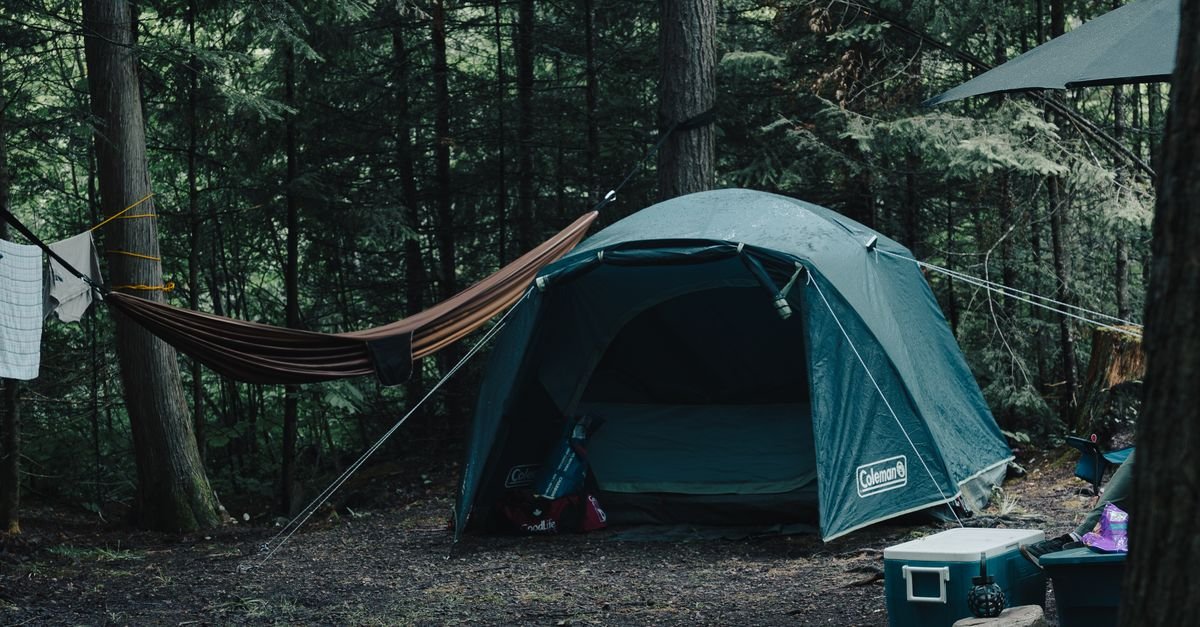
Write down who is coming, how many nights you will stay and how you reach the pitch. Check the campsite’s tent-area dimensions, ground or platform type, and rules for anchors. A roomy shelter still needs somewhere suitable to stand, with space for its fly and guy lines.
| Your situation | Check first | Question for the shortlist |
|---|---|---|
| A couple on a weekend trip | The actual sleeping-pad layout and an exit route. | Can both people get in and out without moving the sleeping kit? |
| A family sharing one tent | Sleeping spaces, changing room and any gear kept indoors. | Does the layout still work when everyone and their bedding are inside? |
| Frequent one-night stops | A full setup and pack-away demonstration. | Can the people travelling handle every step with the equipment supplied? |
| A small vehicle or limited pitch | Packed dimensions and the complete pitched footprint. | Will it fit both the car and the booked campsite? |
Include a place to dry the tent after a wet trip in your plan. The Camping and Caravanning Club’s buying guide also highlights the space larger tents need in transport and storage. Bigger can be useful, but only when the entire routine works.
2. Check usable space, not just the person count
A tent’s capacity label describes nominal sleeping occupancy; it does not promise space for bags, a dog or sitting together. REI explains tent capacity as a starting point for deciding how much additional room your group needs. Compare the inner sleeping floor separately from a screen room or porch.
Measure the sleeping pads or mattresses you intend to use. Use our camping tent size guide for manufacturer dimension examples and a sleeping-pad layout checker. Compare the floor’s usable width and length, including any taper or separate sleeping compartments.
For length, look at the space above the floor as well. A sloping wall can approach your sleeping bag or pillow at mattress height. With a cot, assess the higher sleeping surface and its legs too. Lay the kit out in a display tent where possible; a floor plan cannot show every part of that arrangement.
If you are still deciding on the mattress, work through how to choose a sleeping pad alongside the tent measurements. Buying the two separately without checking the combination can leave you with an awkward layout.

3. Match the weather design to the conditions
Three-season and four-season tents
For many ordinary spring, summer and fall trips, start by comparing three-season shelters intended for those conditions. Four-season designs focus on more demanding wind and snow conditions; the label does not mean they are automatically the most comfortable choice for every month. MSR explains the difference in terms of the environment the tent is designed to handle.
Check the intended use of the exact model. A calendar label does not establish a wind-speed limit, snow-load limit or overnight comfort temperature. For winter or exposed mountain trips, choose equipment and a trip plan appropriate to those conditions rather than upgrading by the season number alone.
Rainfly coverage and the entry
A rainfly is the outer weather cover used over the tent body. REI distinguishes roof-only flies from designs with fuller coverage. Compare how the fly covers the sides and doors, where you enter and whether the vents can function with the fly fitted. Look at the complete rain configuration, not only a sunny product photo with the cover removed.
Read what the manufacturer says about seams, floor construction and required preparation. Ask whether any seam treatment is needed before use and which products are compatible. A fabric waterproof figure by itself cannot answer how the whole shelter will behave at your campsite.
Ventilation and condensation
Look for ventilation you can adjust while keeping the required weather cover in place. Moisture from occupants and wet equipment can condense on cool tent surfaces. MSR’s condensation guidance describes ventilation as part of managing that moisture; it does not promise a completely dry interior in every condition.
During a demonstration, find the vent controls and check whether bedding or stored gear would obstruct them. Consider how you will keep damp items apart from the sleeping space.
4. Compare doors, headroom and storage in use
Imagine arriving in rain, changing clothes and leaving for the toilet at night. Check the door opening, zip operation and route around the beds. Two doors may make access easier for your arrangement, but their location matters as much as the number.
A vestibule is covered space outside the inner sleeping room, commonly formed by the rainfly. Check whether the space you want is enclosed, screened or simply sheltered, and whether it blocks a door when occupied. Follow the campsite’s food-storage rules when deciding what belongs there.
Plan a separate outdoor cooking area. The U.S. Consumer Product Safety Commission warns about carbon monoxide from fuel-burning camping equipment used inside tents. Our camp kitchen checklist helps you plan that equipment separately.
5. Try the full setup before the trip
Read the pitching instructions for your exact tent and, if possible, watch or try a complete demonstration. Check how poles connect, whether clips or sleeves are easy for you to reach, and which steps need another person. Include installing the fly and tensioning the anchors when judging the effort.
Freestanding describes the pole-supported structure; it is not permission to ignore anchoring. Follow the manufacturer’s pitching and staking instructions. In its stake guidance, MSR notes that additional anchoring may be needed in more volatile conditions. Check the supplied stakes and lines against your intended ground and setup.
A fast initial unfolding step is only part of the job. Also practise taking the tent down, separating wet components where appropriate and fitting everything into the carry bag. This reveals awkward steps while you still have time to learn the routine.

6. Price and pack the complete shelter
Compare the exact tent size and package. Record the body, fly, poles, stakes, guy lines and carry bags included in the listing. For walking trips, compare the equipment you will actually carry rather than mixing a minimum-weight figure for one shelter with another shelter’s complete kit.
A footprint is a protective ground layer beneath the tent floor. Check whether one is included, recommended or optional, and confirm compatibility with the exact tent generation. MSR explains its footprint sizing and why an oversized layer can allow water to collect between it and the floor. Follow your tent’s directions instead of automatically adding a larger tarp.
Include any required accessories in the buying budget. Then measure the packed bag against your vehicle’s loading opening and available storage, rather than relying on its volume alone. Check replacement-pole availability, repair support and the current return terms before choosing between similar options.
Your camping tent buying checklist
Save these checks for each shortlisted size. A failed space or setup requirement is a reason to reconsider the model before comparing colour or accessory pockets.
- Trip: expected conditions, campsite dimensions and permitted anchors.
- Sleeping layout: actual beds, occupants, wall clearance and exit routes.
- Living space: useful sitting or standing room, doors and separate storage areas.
- Weather configuration: fly coverage, adjustable ventilation and the manufacturer’s intended use.
- Setup: people needed, instructions, complete anchoring and pack-away routine.
- Complete purchase: included parts, necessary extras, packed dimensions and repair support.
Once those checks are satisfied, compare the options in our camping tent shortlist and place the shelter within your full car camping checklist.
Camping tent questions
How big is a four-person camping tent?
There is no single set of floor dimensions attached to the label. Compare the specific sleeping floor and outline with your mattresses and the route to the door. A screen room or vestibule may be listed separately from the inner sleeping space.
Should I buy a tent bigger than the number of campers?
Extra capacity may help when you want wider beds, gear space or room to spend time inside. Check the resulting pitch size, setup demands and packed bag too. Choose by the layout you need rather than automatically adding one or two places.
Do I need a four-season tent for a rainy weekend?
Rain alone does not make a four-season design the right choice. Compare a suitable model’s fly coverage, floor, seams, ventilation and pitching requirements. Four-season designs address a different combination of conditions, especially demanding wind and snow.
Can a backpacking tent work for car camping?
It can, provided its usable space and intended weather conditions suit the trip. Check whether its lower profile, living room and setup work for your group. If you will also carry it on foot, compare the complete kit against that trip’s needs.
Choose your next step
- Compare specific models in our camping tent guide.
- Match the sleeping surface with our sleeping pad selection guide.
- Pack the remaining equipment with the car camping checklist.
How this guide was prepared: This is a research-based selection guide using the linked manufacturer, retailer and camping-organisation guidance. The checklist and layout calculation are editorial decision aids. We have not conducted original weather-resistance or pitching-time tests. The licensed stock photographs illustrate camping situations and do not demonstrate a particular tent’s performance. Sources checked November 18, 2026.